
The Road to the White House: From Hopeful to Nominee
Thinking about running for President of the United States? The journey to the top of the ticket is a long and challenging one, with a complex, multi-stage process that can take a year or more. It’s a test of endurance, strategy, and a candidate’s ability to connect with voters across the country. The path can be boiled down into three main phases, each with its own set of rules and challenges.
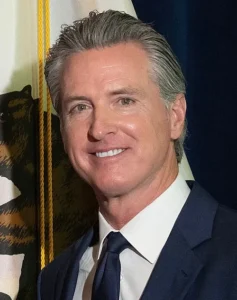
GAVIN?
Phase 1: The Invisible Primary
This is the unofficial start of the race, often beginning years before the election. Long before the first vote is cast, prospective candidates are busy laying the groundwork for a campaign. This includes:
- Fundraising: Securing early financial support is critical. This initial money is used to hire staff, open campaign offices, and run early advertising.
- Building a Team: A candidate must assemble a team of experienced political strategists, communications experts, and campaign managers.
- Testing the Waters: Candidates will travel to key states, speak at events, and gauge public and media interest. This phase is about building momentum and proving viability.
Phase 2: The Primaries and Caucuses
This is the main event of the nomination process. Beginning early in the election year, each state holds either a primary or a caucus to select delegates who will ultimately vote for a nominee at the national convention. The goal is simple: win a majority of delegates.
- Primaries vs. Caucuses: A primary is a state-run election, much like a general election, where voters go to a polling place to cast a secret ballot. A caucus is a local, party-run meeting where voters gather to discuss candidates and publicly declare their support.
- Early States: A strong performance in early states like Iowa and New Hampshire is crucial. They can give a candidate a boost in media coverage, fundraising, and momentum going into the next contests.
- Winning Delegates: Delegates are the currency of the primary season. A candidate needs to win enough of them to secure the nomination. The number of delegates each state has is based on population and party strength. Parties can use different methods to award them, with some states being winner-take-all and others using a proportional system.
Phase 3: The National Convention
The national party convention is the grand finale of the primary season. This is where the party officially selects its presidential and vice-presidential nominees.
- Delegate Vote: Delegates from each state cast their votes for the candidate their state supported in the primaries. The first candidate to secure a majority of the delegates is formally named the party’s nominee.
- Acceptance Speech: The chosen candidate delivers an acceptance speech to a national audience, laying out their vision for the country and officially kicking off their general election campaign. The party also uses the convention to formally approve its official platform, a statement of its core principles and policy positions.
Once the convention concludes, the nominees shift their focus to the general election, where the real battle for the presidency begins. The journey from a hopeful candidate to the top of the ticket is a testament to the democratic process, testing a candidate’s vision, leadership, and ability to unite a party behind a single goal.


